
About the name: Tern and the people in this story are fictional. This illustrative operating scenario is based on common yacht handover needs and WatchDeck’s actual workflow; it is not a customer testimonial or a claim of measured results.
The files exist. The operating picture does not.
A 58-foot private motor yacht is moving from a long-serving captain to a new captain before the cruising season. The outgoing captain knows which pump is temperamental, where the spare filters live, and which “annual” jobs were actually completed late.
The owner has invoices in email, manuals in a shared folder, meter readings in the logbook, and a spreadsheet of recurring maintenance. Each source contains useful information. None tells the new captain what needs attention first.
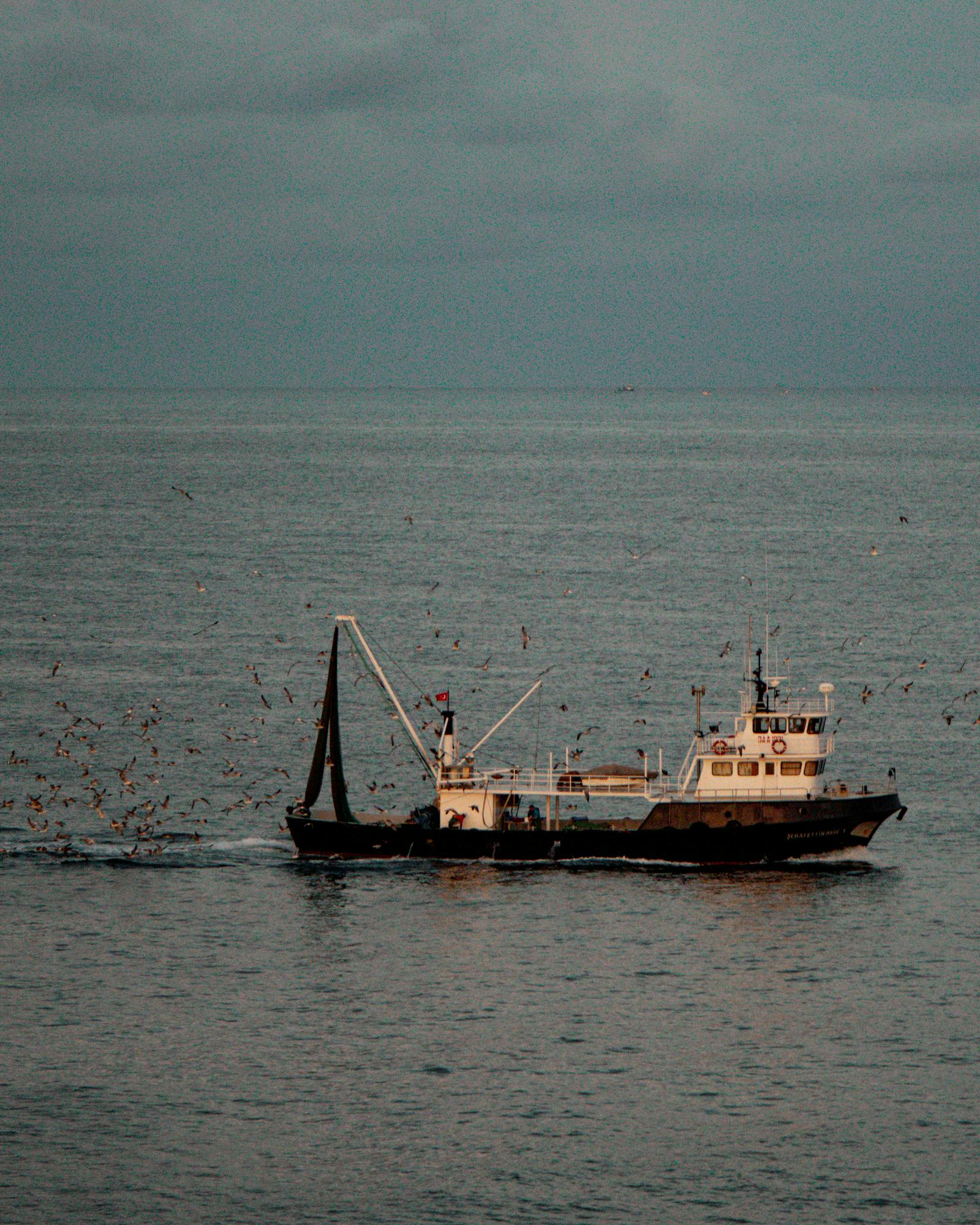
The first week should not be detective work
- Which services are due before departure?
- What are the accepted hours on each engine and generator?
- Was the last cooling-system service completed, deferred, or only discussed?
- Which recurring tasks depend on both time and machinery use?
- Are the correct filters, belts, impellers, and fluids aboard?
- Where are the manuals and invoices for each system?
- Which open issues has the owner already approved?
Build the handover around equipment and decisions
- Confirm the critical equipment list.Main engines, generators, steering, batteries, pumps, safety equipment, tender, and climate systems become the first scope.
- Reconcile physical meter readings.The current reading on each machine becomes the accepted value used by its maintenance schedule.
- Attach history to the right system.Invoices, notes, manuals, and completed work belong with the equipment they explain.
- Separate completed, open, and waiting work.The new captain can distinguish vessel condition from future intention.
- Connect critical spares.Part number, quantity, storage location, and related task make inventory useful under pressure.
The difference is context: each task has equipment, timing, responsibility, parts, and history instead of relying on the outgoing captain to explain every file.
What the new captain receives
| AREA | HANDOVER VIEW |
|---|---|
| Readiness | Overdue, coming-up, in-progress, and blocked work separated clearly |
| Machinery | Current hours and linked recurring services for each asset |
| History | Completed work with dates, readings, notes, photos, and invoices when available |
| Parts | Critical spares, quantities, and onboard locations |
| Documents | Manuals and vessel records attached to the system they support |
| Responsibility | Tasks assigned or left with an explicit next decision |
The owner keeps visibility through the change
The owner does not need to interpret engine-room notes to understand the handover. They can see what is overdue, what is planned, what was completed, and where a part or approval is holding work. The new captain can update the same record without starting another spreadsheet.
This is particularly useful when the vessel also works with a yard, management company, seasonal crew, or contractors. The shared record does not replace professional judgment; it gives that judgment a dependable place to land.
A durable record reduces dependence on memory
The outgoing captain’s experience still matters. WatchDeck helps turn that experience into equipment history, task context, and clear next work that stays with the vessel after the conversation ends.
Create your vessel workspace → or tell us what you are working with.