About the name: Pacific Ember and the people in this story are fictional. This illustrative scenario demonstrates WatchDeck’s document-storage workflow; it is not a customer testimonial, legal advice, immigration advice, or a definitive Mexico entry checklist.
The boat is ready for the passage. The paperwork is assumed ready.
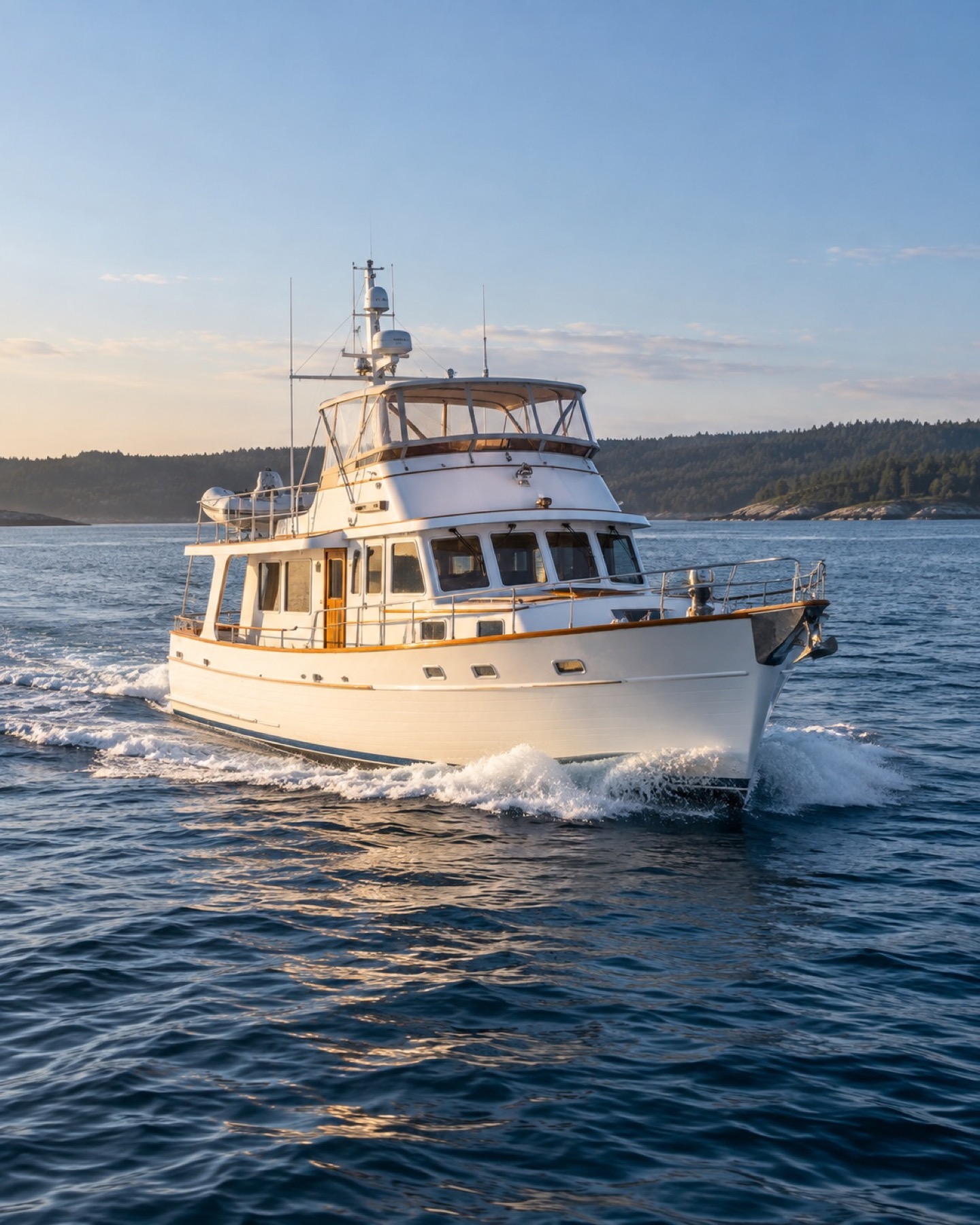
Pacific Ember is a 52-foot U.S.-flagged cruising yacht preparing to run from Southern California to Ensenada. The machinery has been serviced, the weather window is favorable, and the crew has discussed the arrival plan.
The vessel documents are less organized. Registration is saved in an old email. The insurance renewal is on one phone. Ownership papers are in a home filing cabinet. Passport details and the crew list are in a spreadsheet. Prior entry receipts are mixed with marina invoices.
Build a document record around the vessel and the trip
| RECORD | PRE-DEPARTURE CHECK |
|---|---|
| Vessel registration | Current document, vessel name and identifying details confirmed |
| Ownership record | Title or other proof stored and accessible; required physical copy located |
| Insurance | Current policy and certificate match the vessel and cruising area |
| Crew and passenger information | Names and travel-document details confirmed against the actual people aboard |
| Entry and permit records | Applications, authorizations, payment confirmations, and temporary-import records stored together when applicable |
| Departure records | Prior clearance or voyage documents available if required for the route |
Two quiet document problems become visible before departure
- The stored registration is last year’s copy.The renewal was completed, but the current document never reached the vessel folder.
- The insurance certificate carries the yacht’s former hailing port.The policy is active, but the certificate does not agree with the current registration.
- The owner requests corrected records.The current registration and revised insurance certificate arrive while the yacht is still at its home marina.
- The crew prepares digital and physical access.Copies are stored with the vessel record, and any originals or printed copies required for the trip are placed aboard.
- A final checklist gets an owner.One person confirms that the crew list, arrival information, permits, receipts, and vessel documents match the actual voyage.
A document library becomes operational when each record has a clear purpose, expiration date, vessel connection, and pre-departure check.
At check-in, Pacific Ember is not searching the cloud at the counter
The responsible person can retrieve the current vessel registration, ownership evidence, insurance certificate, crew information, and applicable entry records from one vessel workspace. Required physical documents are already aboard because the checklist distinguished “stored digitally” from “must be carried.”
The organized record does not guarantee a particular decision by Mexican authorities. It prevents the avoidable version of the problem: arriving with an expired copy, inconsistent vessel details, or a required document trapped in someone else’s inbox.
Mexico’s requirements must be checked for the actual voyage
Mexico’s Instituto Nacional de Migración publishes procedures for recreational arrivals by sea, including arrival and departure information and a list of people aboard. Mexican government guidance for temporary importation also identifies identity and proof of vessel ownership or current registration among the required records. Requirements can change and can depend on the vessel, port, route, activity, nationality, and length of stay.
Before departure, the operator should confirm the current process with the relevant Mexican authorities, port captain, marina or agent, insurer, and other qualified advisors. WatchDeck stores and organizes records; it does not submit official forms, issue permits, validate documents, or replace originals that an authority requires.
Create your vessel workspace → or tell us how your records are stored today.