
About the name: Northstar and the people in this story are fictional. This illustrative scenario reflects common yacht-sale questions and WatchDeck’s actual workflow; it is not a customer testimonial or a promise of resale value.
The work was done. The evidence lives everywhere.
Northstar is a 46-foot cruising yacht with two diesels, a generator, a tender, and eleven years of conscientious ownership. The owner remembers the major work, but the proof is divided between paper invoices, yard emails, a logbook, phone photos, and folders named by year.
A broker can describe the yacht as well maintained. A serious buyer and surveyor will still ask when the aftercoolers were serviced, whether the generator hours match its service history, what was replaced in the last haulout, and which recommendations remain open.
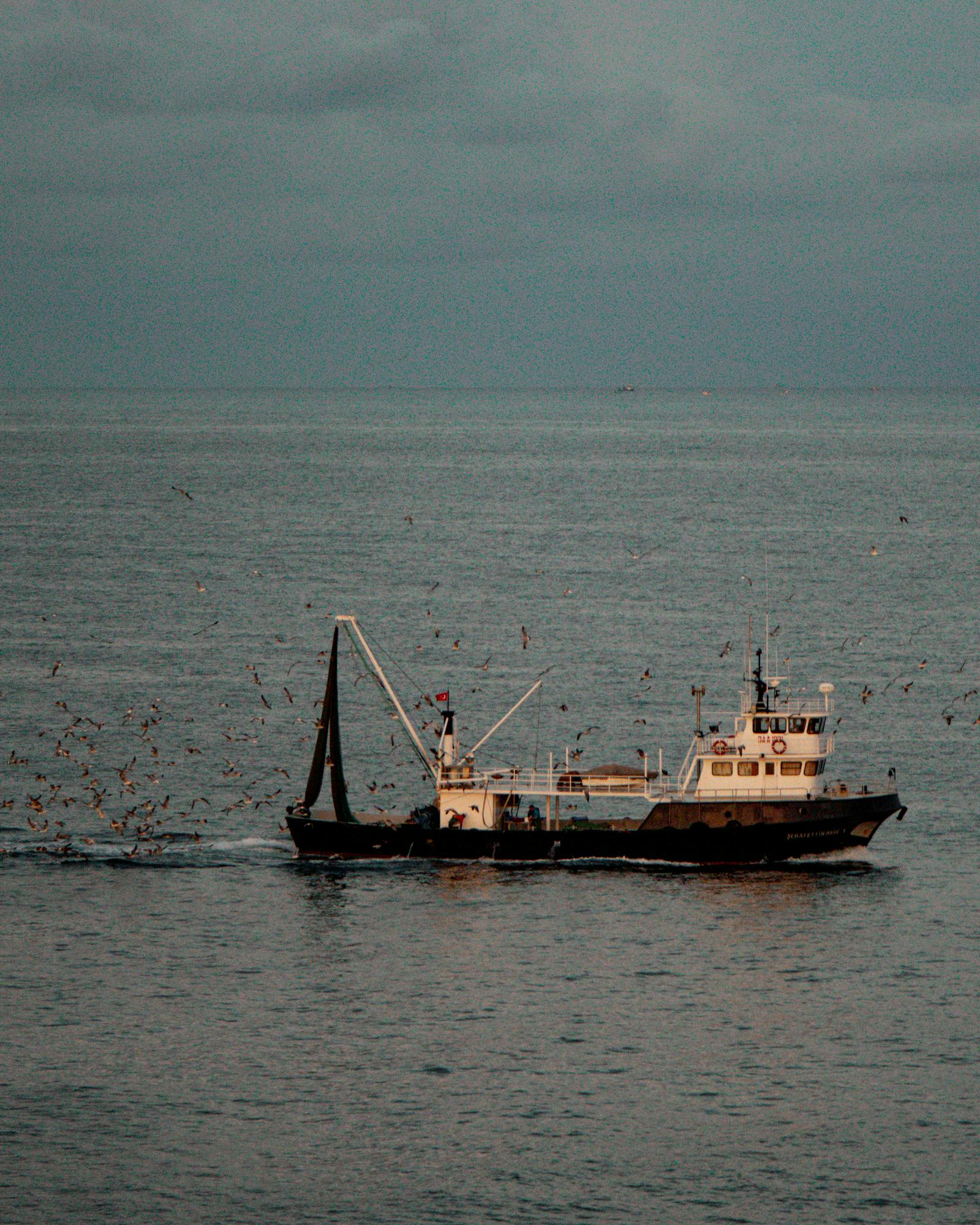
A buyer is judging uncertainty as much as condition
- Do current machinery hours agree with the recorded service intervals?
- Which major components were replaced, rebuilt, or inspected?
- Can invoices and photos be connected to the relevant equipment?
- Are recurring services current, coming due, or already overdue?
- Did the owner address prior survey recommendations?
- Which spare parts and manuals transfer with the vessel?
Build the history around the machinery
- Confirm the equipment list.Engines, generator, steering, batteries, pumps, climate systems, tender, and safety equipment form the backbone of the record.
- Enter accepted meter readings.Each engine and generator receives a current reading with its date, establishing the basis for hour-driven service.
- Reconstruct major service events.The owner records date, hours, work performed, provider, notes, photos, and invoices where evidence exists.
- Leave uncertainty visible.Unknown dates and incomplete records stay identified instead of becoming confident guesses.
- Separate history from open work.The buyer can see what was completed and what the next owner should plan.
They do not replace a survey or guarantee a sale price. They help the broker, buyer, mechanic, and surveyor spend less time reconstructing the vessel’s past.
What Northstar can present
| BUYER QUESTION | VESSEL RECORD |
|---|---|
| What was serviced? | Completed work grouped with the engine, generator, or system |
| At what hours? | Accepted readings recorded with hour-based completion |
| Who performed it? | Provider and notes retained with each completion |
| Is there supporting proof? | Invoices and photos attached when available |
| What comes next? | Recurring services show the next date or machinery-hour threshold |
| What remains unresolved? | Open tasks remain visible rather than disappearing into the sales narrative |
A clearer record can support confidence—not manufacture value
Northstar’s owner cannot control the market, the survey, or the buyer’s offer. A complete record can still distinguish documented care from unsupported claims and make future ownership easier to evaluate.
The durable value is larger than the sale packet. Until the yacht changes hands, the same record keeps Northstar’s maintenance current. At handover, it gives the next owner a useful starting point instead of another box of receipts.
Create your vessel workspace → or tell us what records you have today.