
About the name: Sound Runner and its operator are fictional. This illustrative scenario uses WatchDeck’s hour-based maintenance workflow; it is not a customer testimonial or a promise of uninterrupted operation.
The boat earns when it is available
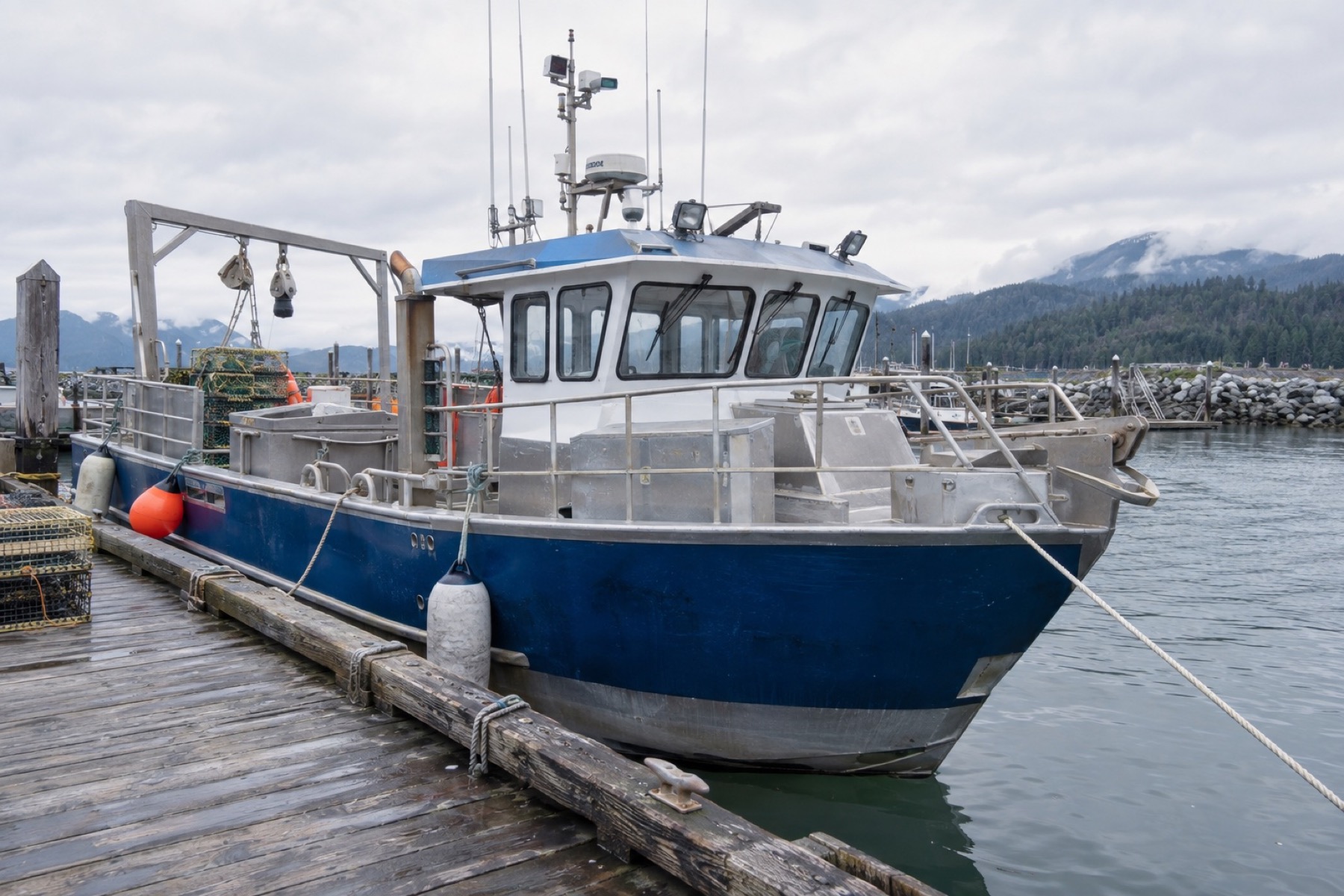
Sound Runner is a twin-engine harbor work boat handling crew transfers and inspection support. A busy week can add far more machinery hours than a quiet one, so calendar reminders alone cannot represent the real service demand.
The port engine is 22 hours from service. The starboard engine is 61 hours away. The generator is 47 hours from its own interval. A mechanic has one opening between two committed jobs, and the operator must decide what belongs in that window.
Bring jobs, hours, parts, and responsibility into one view
| SYSTEM | OPERATING PICTURE |
|---|---|
| Port main | 22 hours remaining; service kit aboard |
| Starboard main | 61 hours remaining; inspect during port service |
| Generator | 47 hours remaining; one required filter short |
| Deck equipment | Calendar inspection due in nine days |
| Responsibility | Mechanic, operator, and deck lead assigned explicitly |
Build one practical service window
- Forecast the next commitments.Expected running hours show which threshold will arrive before the following mechanic availability.
- Confirm the physical readings.The operator records the actual meters rather than planning from an old spreadsheet.
- Group compatible work.The port-engine service, starboard inspection, and deck-equipment check fit the same alongside period.
- Resolve the generator-parts gap.The filter is ordered now; generator service remains visible for the next window.
- Assign every step.Work has a responsible person, instructions, parts, and a clear completion record.
The software does not create more hours in the week. It shows which work is approaching so the operator can choose the least disruptive time to do it.
Return to work with the next intervals already visible
The port service closes at its actual meter reading. The recurring threshold advances from that completion. The starboard inspection produces no defect and remains in its equipment history. The deck inspection closes by date. The generator task stays open with its filter and planned window attached.
Before the next job, the operator sees what was completed, who performed it, what remains, and how many hours separate each machine from its next service.
A work boat needs a living maintenance plan
A printed schedule becomes stale as soon as actual use changes. Sound Runner’s plan moves with machinery hours while keeping dates, parts, history, and operating commitments in the same decision.
Create your vessel workspace → or tell us how your vessel accumulates hours.